Field Notes · After Mulching
After the mulcher leaves
Opened land doesn't stay frozen in time. Here's what grows back in the first season, which plants come back hardest, and the light maintenance that keeps the ground open and the fuel down.
The first season
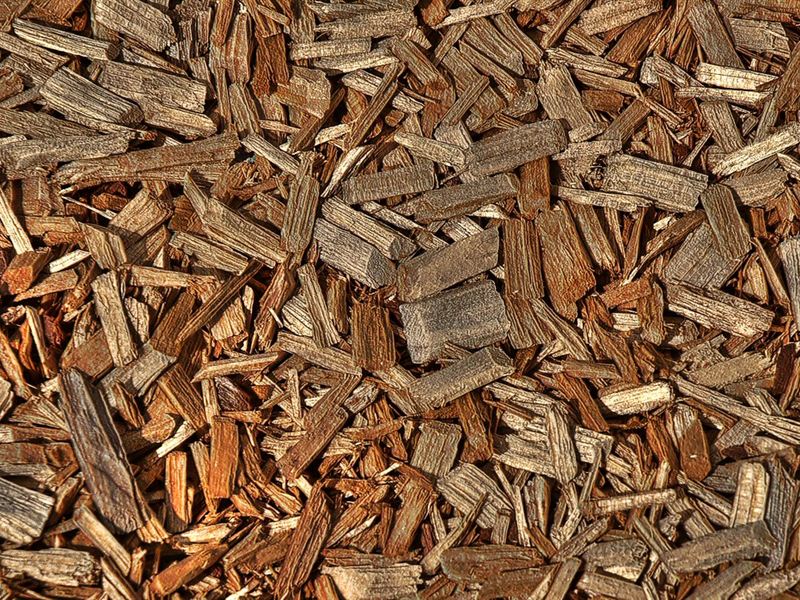
Expect green to come up through the mulch. Some of it is native growth taking advantage of the light, which is the point. Some of it is stumps of the brush we cut, sending up new shoots. What comes back is thinner and easier to manage than the original growth, but it does come back.
Invasives come back hardest
Most of New Hampshire's common invasive shrubs (barberry, buckthorn, honeysuckle, multiflora rose, autumn olive) resprout from the stump after cutting. Mulching is a strong first step, not a finish. A follow-up pass or a mow in the same or the next season does the most good. Buckthorn is the stubborn one: plan on it taking more than one year. Bittersweet vines can be beaten by cutting and staying on the resprouts.
Keeping the fuel down
The fire benefit of mulching comes from removing the brush and sapling layer that lets a ground fire climb into the trees. As that layer grows back, the benefit fades. A maintenance pass at the right interval keeps the gap between the ground and the canopy open. We set the interval from what we saw on your walk and write it into your Defensible Space Summary.
The yearly check
In New Hampshire, wildfire season can start early in the spring, before the woods green up. That makes late winter and early spring the time to look:
- The first five feet around the house: leaves, firewood, and anything else that's collected there.
- The gutters, the roof, and under the deck, which are the owner's side of defensible space.
- The drive: anything leaning in or growing back along it.
- The treated zones: how much has come back, and where.
What we do after the job
- A 12 month regrowth check-in visit comes with every project. We walk the treated ground with you and say plainly what's come back and whether it needs anything.
- A maintenance pass, if you want one, is quoted on its own walk as new written scope. It's usually a fraction of the original work, because the heavy material is already gone.
Where this comes from
- UNH Cooperative Extension, "Invasive Plants: Specific Methods of Control."
- Arboriculture and Urban Forestry, "Large Oriental Bittersweet Vines Can Be Killed by Cutting Alone."
- National Wildfire Coordinating Group, Glossary of Wildland Fire (ladder fuels); National Fire Protection Association, Firewise USA home ignition zones.
- NH Division of Forests and Lands, wildfire season releases (2023, 2024).
Plan For The Long Run
Open it once, keep it open
Tell us about the property: three minutes, no obligation. We'll walk it and tell you what the first pass does and what keeping it open looks like after.
Start Your Project Forestry mulching only · Stems to 6 in.