
Field Notes
Land-clearing knowledge, written down — and filmed
Plain-language notes from the people who do the work: what forestry mulching is, what happens on your property, and exactly where the lines are. Rather watch than read? Every note is getting a sixty-second film, shot on site.
Watch
The sixty-second versions
For anyone who'd rather see it than read it. Each note is being filmed on site — Chris, the machine, and the ground itself — and posts to our channels first.
Why mulching beats burning or hauling
Read it instead →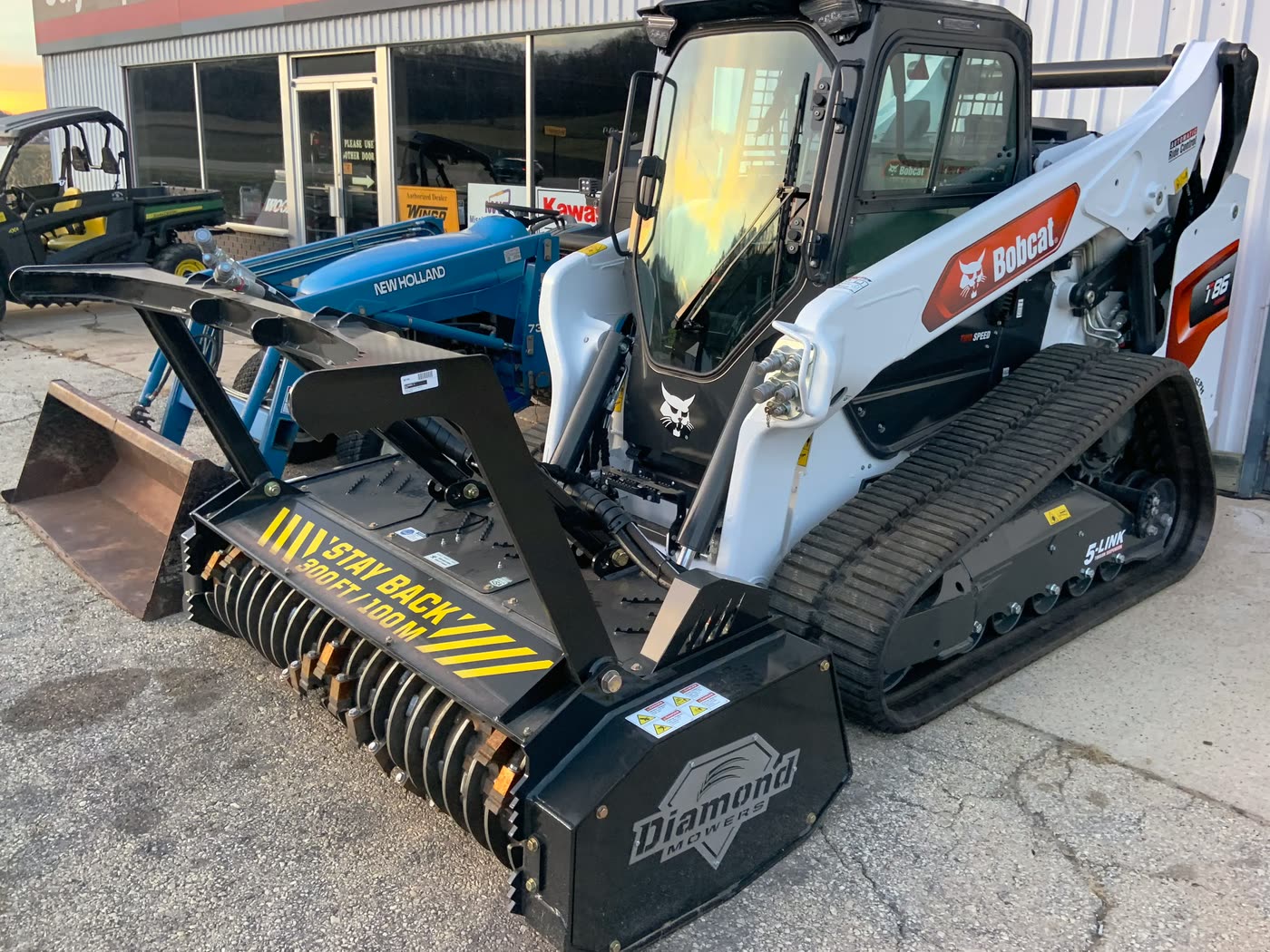 In production
The precision behind the cut
Read it instead →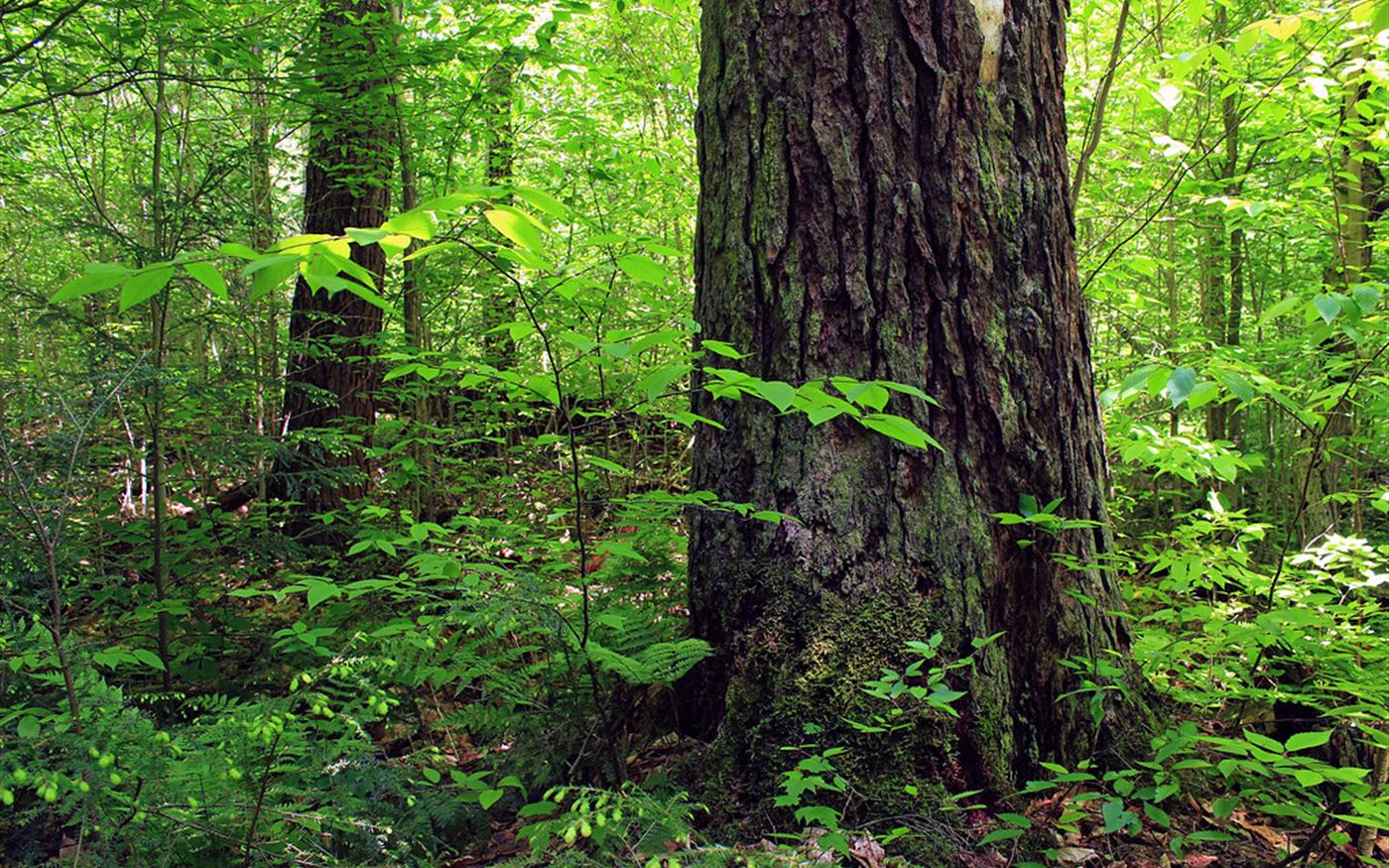 In production
New Hampshire's common invasives
Read it instead →New clips land on our channels first — follow along through the build-up to the April 2027 opening.
Read
The notes
Each one answers a single question properly. New to mulching? Start with the first. Already sure it's the right tool? Skip to the site walk.
Start Here · The Method
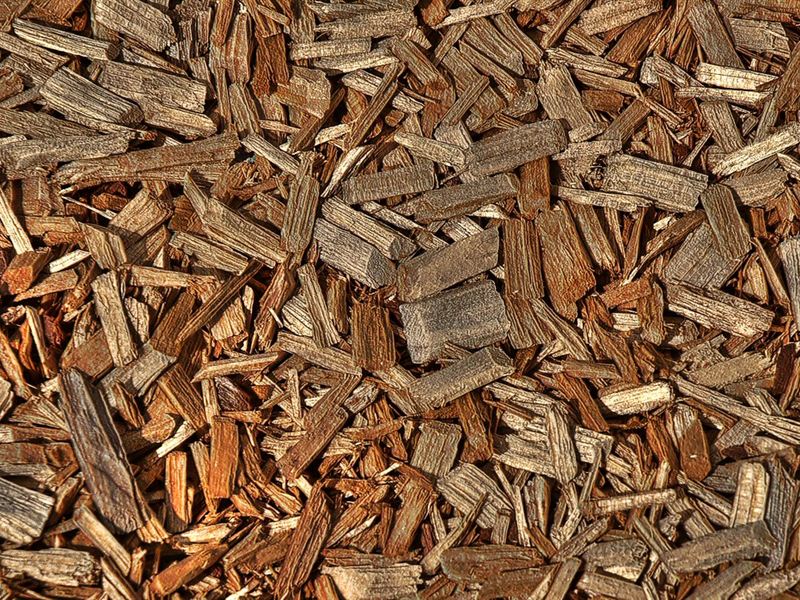
What forestry mulching actually is
Most people think "clearing land" means bulldozers and burn piles. It doesn't have to. The single-pass method, explained from the ground up — and why the mulch layer is the finish, not the leftovers.
Read the note →How the work works
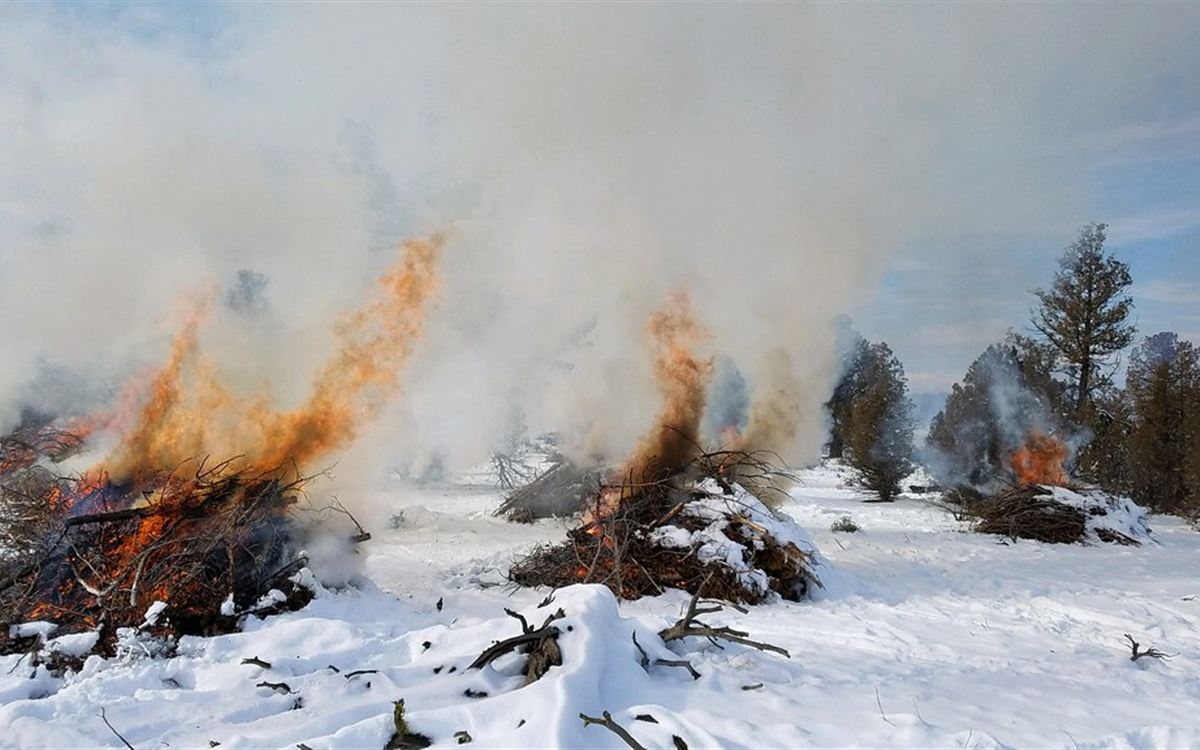
Why mulching beats burning or hauling
Burning a brush pile in New Hampshire takes a permit, a calm day, and luck. Hauling takes a fleet. There's a third way — and it finishes the ground.
Read the note →The precision behind the cut
Ground pressure, tooth geometry, hydraulic flow, and GPS boundaries — why the result looks finished, not chewed.
Read the note →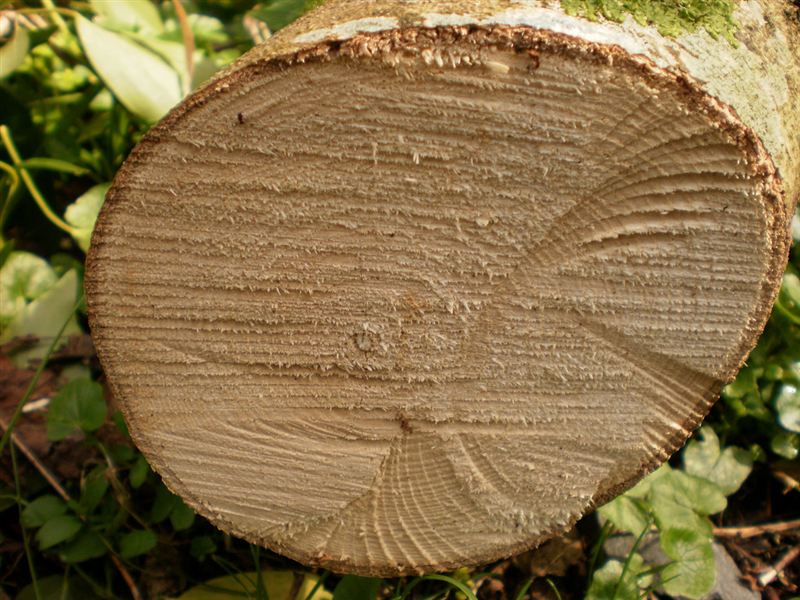
Six inches, explained
How the stem ceiling is measured, how to check a stem yourself, and why the biggest trees on your land stay standing.
Read the note →Your land
What happens at the site walk
Where the fixed price actually comes from: the boundary flagged and traced, stems counted on foot, and a straight answer about fit.
Read the note →New Hampshire's most common invasive species
Barberry, bittersweet, buckthorn, knotweed — what's growing under that overgrowth, why it matters, and what mulching does and doesn't fix.
Read the note →
Coming Next
Notes from the field season
Before-and-after breakdowns from real ELS projects, terrain notes from the towns we work, and answers to the questions the inquiry form keeps asking — added as the 2027 season generates them.
Quick Answers
The short version
The questions we hear most, one line each. The full answers live in the FAQ.
Do you take down big trees?
No. Stems over six inches at breast height are flagged and left standing.
Do you haul it away or burn it?
Neither. It stays as a three-to-four-inch mulch layer — that layer is the finish.
Can I get a price over the phone?
No. The price is built on the site walk, then fixed in writing.
Do you pull stumps?
No. Stems are cut flush; the roots stay in the ground and hold the soil.
Will it grow back?
Slowly. The mulch layer suppresses much of the regrowth bare soil invites.
How long does the work take?
Usually days. One machine fells, processes, and finishes in a single pass.
Reading Done?
Put the method on your property
Three minutes on the form and you'll hear from the person who wrote these notes.
Start Your Project Straight answers · One fixed project price